Restoration of worn or damaged parts by converting them into accurate CAD models for further production.
Reverse engineering is the process of creating a digital 3D model of an existing physical object so that it can be analyzed, modified, reproduced, or improved using a 3D printer.
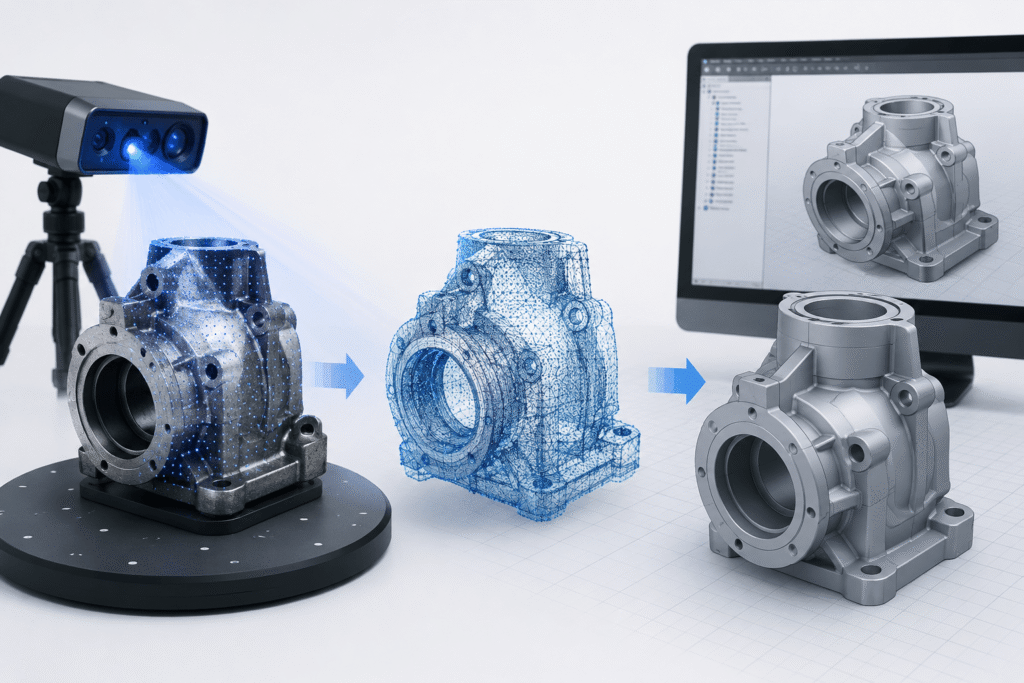
This process typically consists of the following stages:
A 3D scanner captures the object's shape and dimensions.
The scan data is converted into a 3D mesh (such as an STL file). Engineers clean the scanned data and often reconstruct the model in CAD software to ensure accuracy.
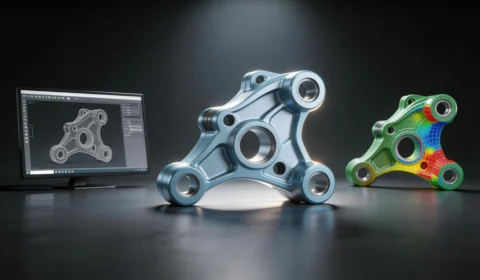
The digital model can be edited to improve the design, repair damaged areas, or adapt the part to custom requirements.
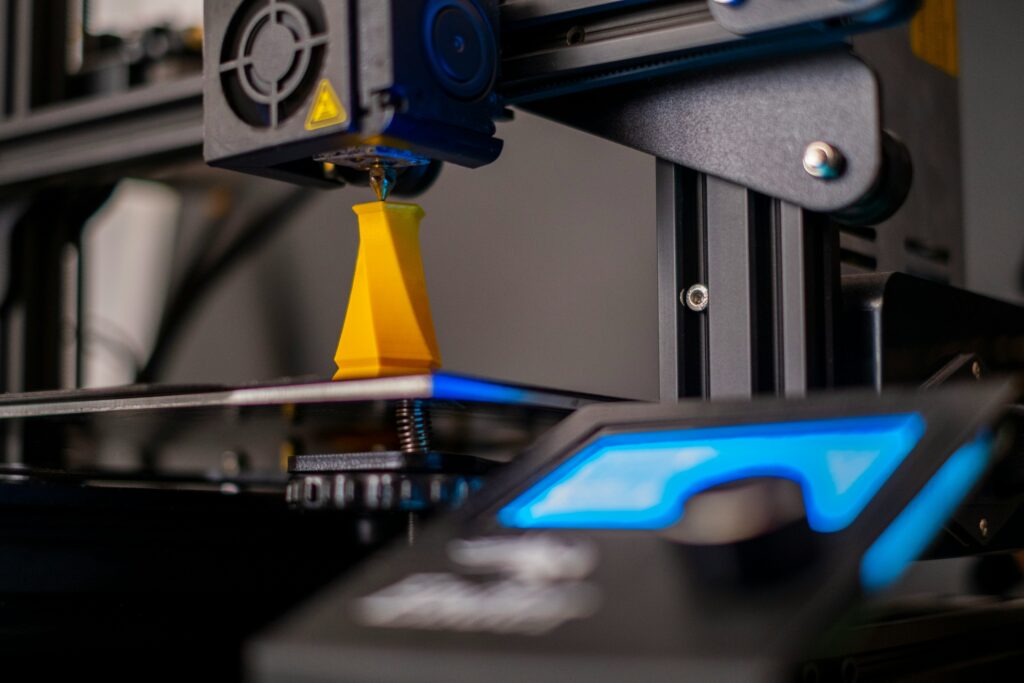
The final CAD model is sliced into layers and printed, producing an accurate copy or an improved version.
Replacement Parts: Recreating discontinued or broken components when original drawings are no longer available.
Product Improvement: Analyzing an existing design and creating a better version of it.
Quality Control: Comparing manufactured parts with the original design to identify dimensional deviations.
Cultural Heritage Preservation: Digitizing historical artifacts and creating copies for research or exhibitions.
Medical Applications: Manufacturing custom prosthetics, orthotics, and anatomical models based on scanned body parts.
| test | test |
|---|---|
| test | test |
Pricing depends on part complexity, required accuracy, and final 3D model specifications. After evaluating your part, we provide a clear price and project timeline.
Pricing is agreed upon before starting the project. No hidden fees.
Each project is assessed individually based on part complexity, required accuracy, and scope of work.