3D printing technology is rapidly moving beyond prototyping and becoming a reliable tool for end-use functional part manufacturing (end-use parts). The ability to manufacture on-demand (on-demand) and realize complex geometries without additional costs is changing traditional industry standards and fundamentally optimizing supply chains.
Comprehensive Application Across Various Industrialization Sectors
Additive manufacturing enables the production of high-quality end-use products without expensive molds or lengthy CNC machine setup processes:
Aviation and Aerospace Engineering:
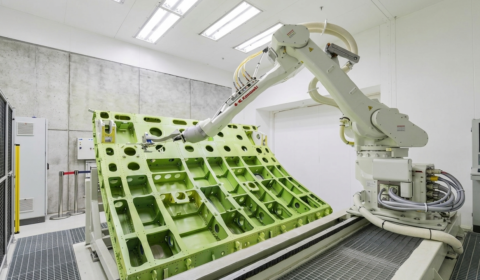
Lightweight brackets, engine assembly parts, and cabin components are manufactured. Reduced part weight directly lowers fuel consumption and improves overall aircraft efficiency.

Automotive Industry:
Dashboard trim parts, transmission components, and aerodynamic assemblies for sports cars are printed from composite and carbon fiber reinforced materials.
Healthcare and Medicine:
Custom prosthetics, orthoses, and implants tailored to individual patient anatomy are manufactured, ensuring high levels of comfort and functionality.
Consumer Goods and Electronics:
From unique designer furniture and ergonomic footwear to electronics device housings and microchip protective sockets, 3D printing offers unlimited customization possibilities.
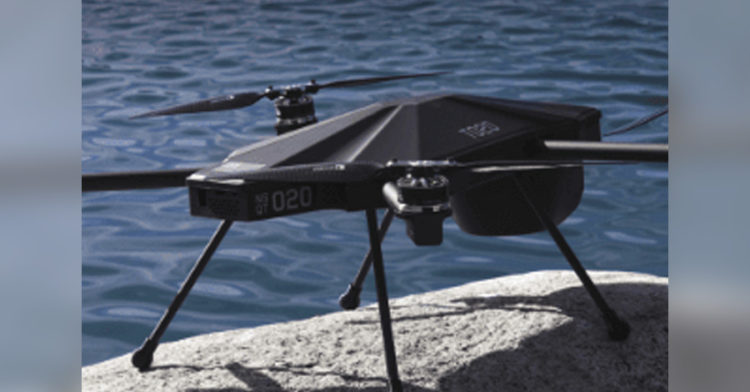
Real-World Success Stories
Coloris Bicyclette Co. Ltd. (Japan):
The bicycle accessory and tooling manufacturer deployed a Raise3D Pro3 Plus printer for end-use part production. With the equipment running an average of 130 hours per week and producing hundreds of functional components, end-use part delivery time was reduced by more than 93%.
Production Line Automation and Tooling:
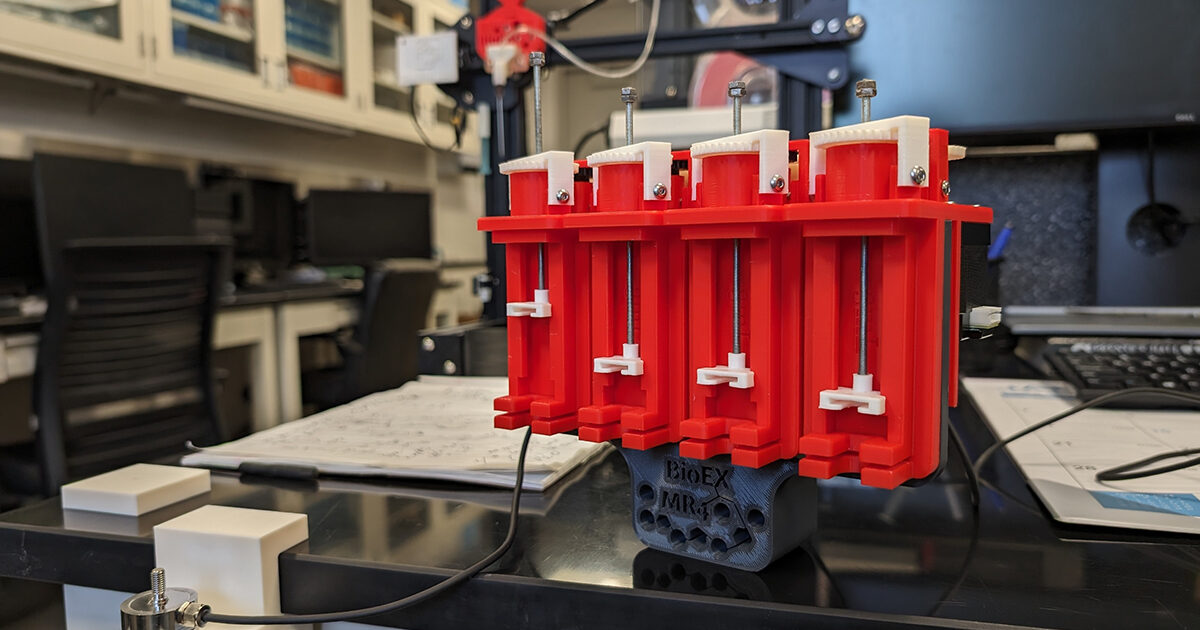
Using more than 50 industrial-grade materials (from antistatic resins to high-temperature resistant carbon fiber nylon), companies easily configure production line grippers, jigs & fixtures, and auxiliary parts.
Why Choose the Raise3D Ecosystem for End-Use Manufacturing?
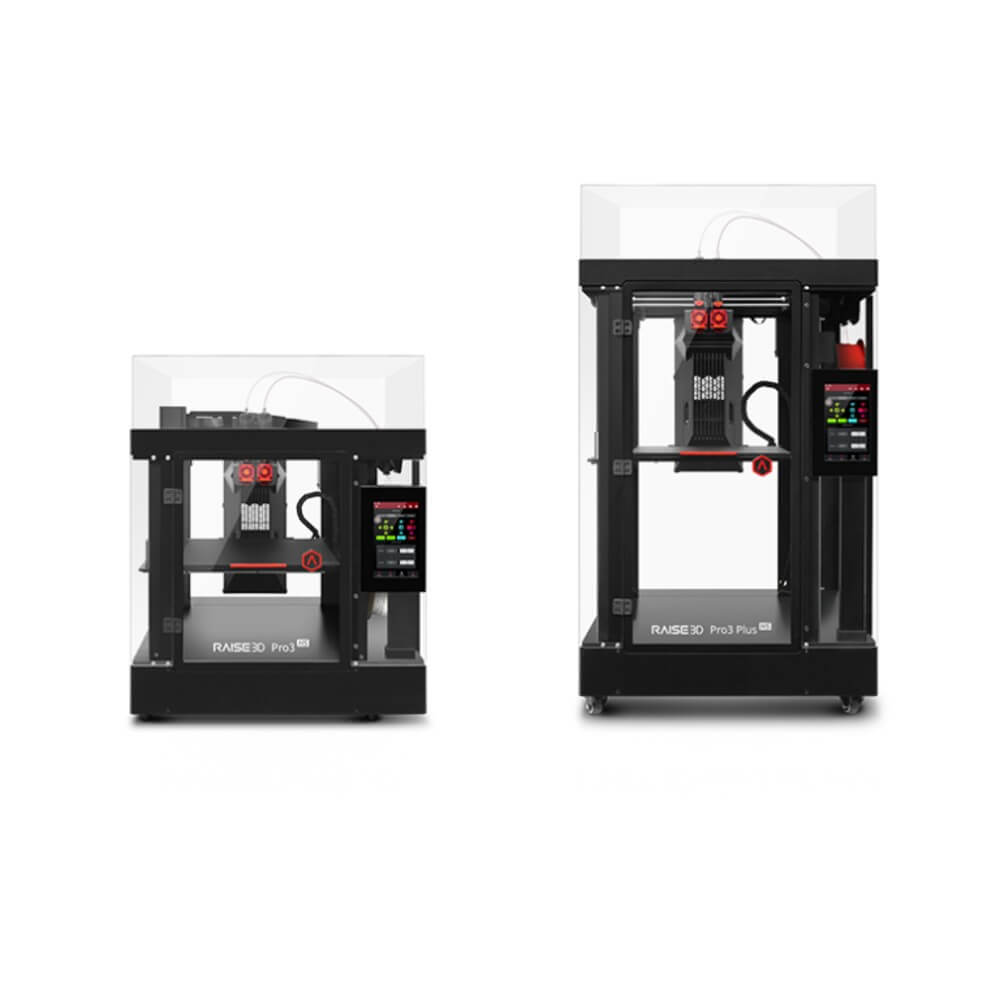
High Speed and Precision: Hyper FFF® technology and the Pro3 HS series enable printing speeds up to 300 mm/s while maintaining industrial precision.
Industrial Material Selection: The ability to work with FFF, SLS, DLP resins, and metal filaments ensures that each part meets mechanical and chemical requirements.
Traceability and Process Control: Integrated RFID material traceability and automated software ensure stable, repeatable, and uninterrupted production.