Modern 3D scanning has become an integral part of contemporary manufacturing, medicine, reverse engineering, and digital archiving. This technology allows physical objects to be converted into highly accurate three-dimensional digital models, shortening the product development cycle and enabling work with the most complex geometries.
Main 3D Scanning Application Areas
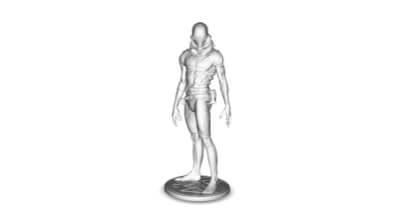
1. Human Body Scanning for Medical Purposes
Traditional measurement methods often do not allow for accurate capture of unique human body contours and organic forms. 3D scanning ensures rapid, contactless, and completely safe data collection:
Orthopedics and Prosthetics: By scanning a limb or body part, perfectly fitted prosthetics, braces, and orthopedic insoles are manufactured based on the resulting 3D model.
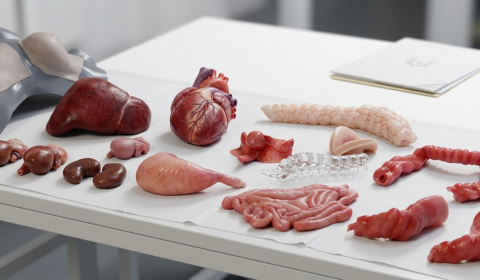
Implants and Plastic Surgery: Precise measurements allow for modeling of individual implants and simulation of surgical outcomes before they are performed.
2. Automotive and Transportation Industry
Scanning vehicle components requires solutions capable of working with large-scale objects, black and glossy surfaces:
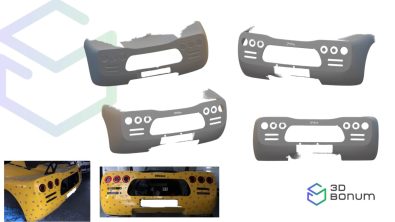
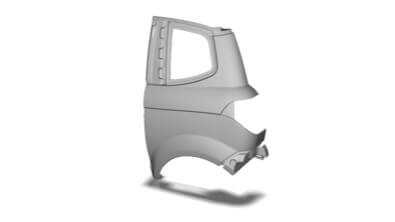
Vehicle Bodies and Sports Cars: Using advanced handheld 3D scanners (e.g., Calibry with up to 30 frames/sec speed), objects ranging from 20 cm to 10 m are captured.
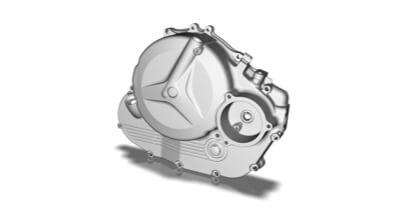
Reverse Engineering and Tuning: By rapidly scanning a vehicle body or motorcycle engine parts, custom aerodynamic elements, sports exhaust assemblies are created, or worn parts are restored.
3. Engineering, Tools, and Industrial Assemblies
Traditional CNC and mechanical measurement tools face limitations when capturing deep geometries or internal mechanisms:
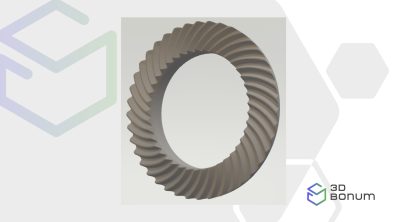
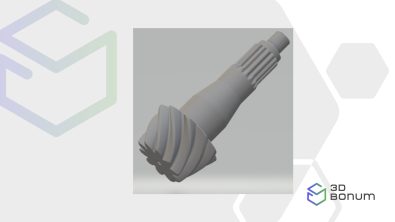
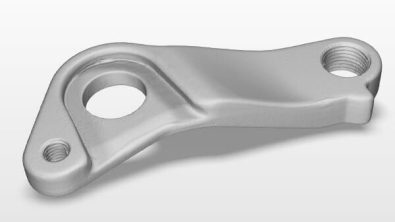
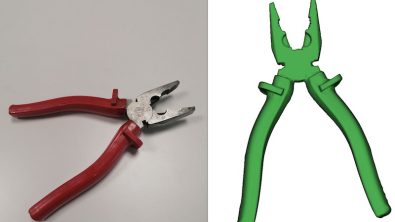
Industrial Components: Gears, shafts, bicycle drivetrains, or hand tools (pliers) are digitized to perform quality control, geometric deviation analysis, or prepare files for 3D printing.
Manufacturing Optimization: The resulting 3D models enable rapid restoration of production templates and replacement of damaged parts without original CAD drawings.
4. Furniture Scanning and Cultural Heritage (Texture Mode)
Some objects lack clearly defined geometry or are too fragile for physical measurement devices to be used:
Texture Scanning: This mode allows for capturing surfaces with few geometric features but characterized by high color contrast.
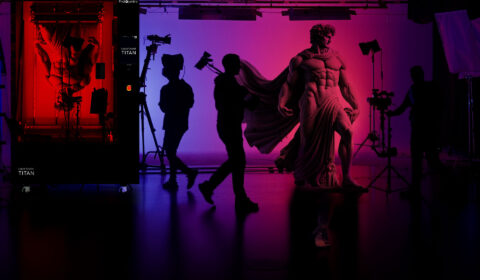
Antique Heritage and Antiquities Digitization: Used for safe digitization of vulnerable, antique furniture, artworks, or historical exhibits, digital archiving, and virtual museum exhibitions.
Why Integrate 3D Scanning?
Comprehensive Accuracy: Complete surface data capture is ensured without human errors from manual measurement.
Time Savings: The reverse engineering process is shortened from weeks to a few hours.
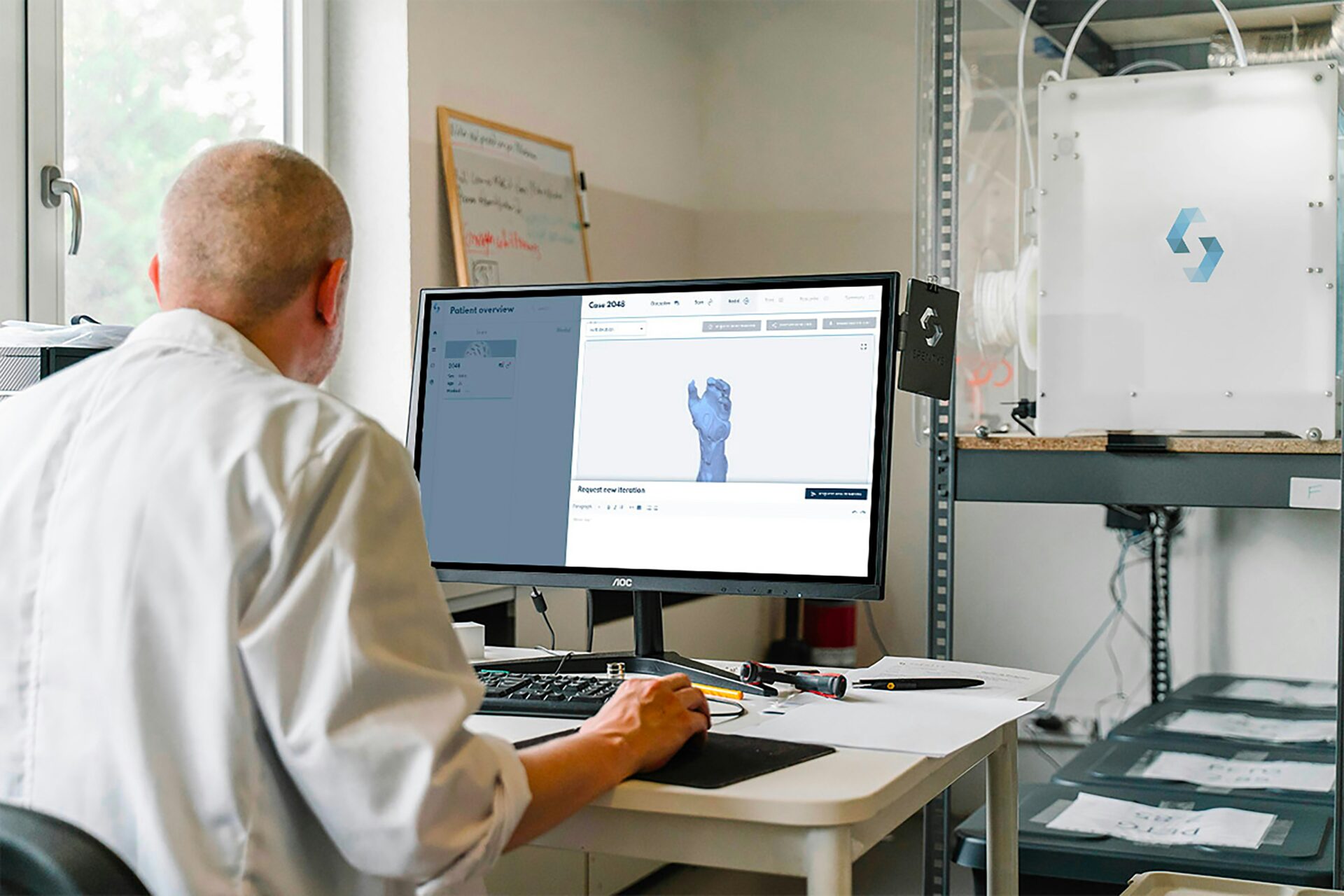
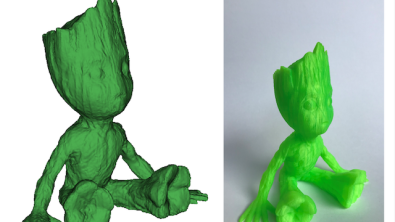
Compatibility with 3D Printing: The resulting 3D models can be immediately edited in CAD software and sent to production.
 |  |  |
 |  |  |
 |  |  |