Field: Scientific research, space engineering, aviation, and materials science innovation
Technologies used: Selective Laser Sintering (SLS / 3D printing – Sintratec Kit, Sintratec PA12)
About the Project
The Hybrid Materials Laboratory at SUPSI University, led by Prof. Alberto Ortona, conducts research developing advanced composite materials capable of withstanding extreme temperatures and thermal shock. These materials are applied in spacecraft (e.g., in active thermal protection systems in the EU research project THOR), heat exchangers, catalysts, and filtration systems.
Engineering and Manufacturing Solutions
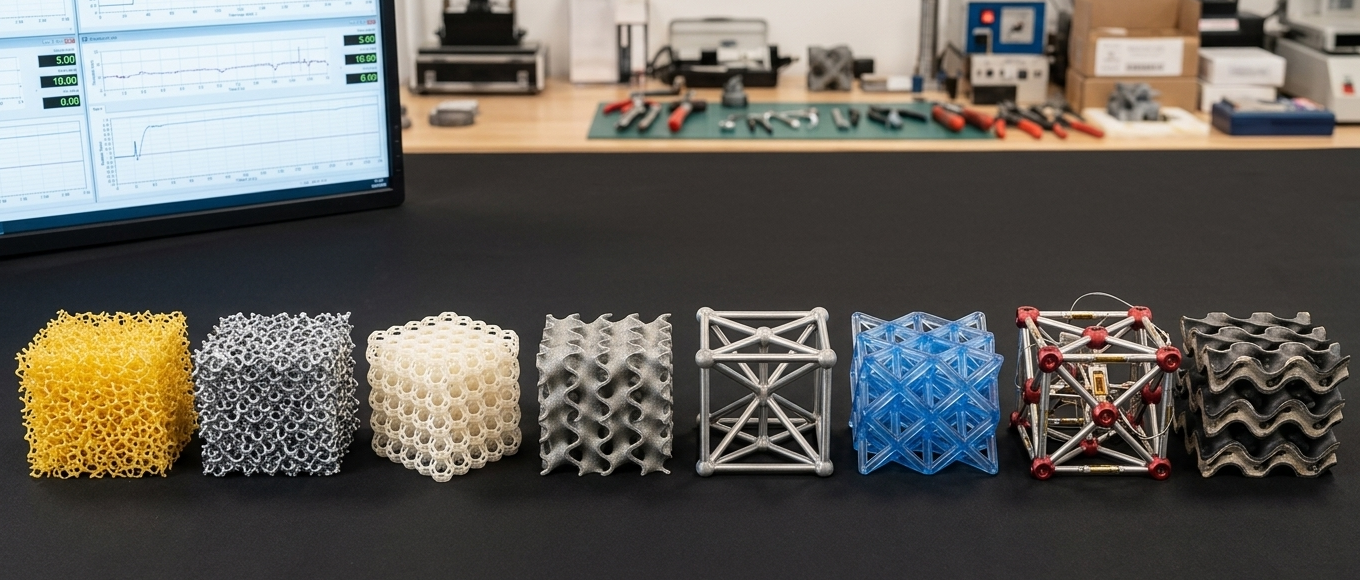
The long-used stereolithography (SLA) technology limited the production of complex porous structures and gyroids, so the institute transitioned to SLS printing:
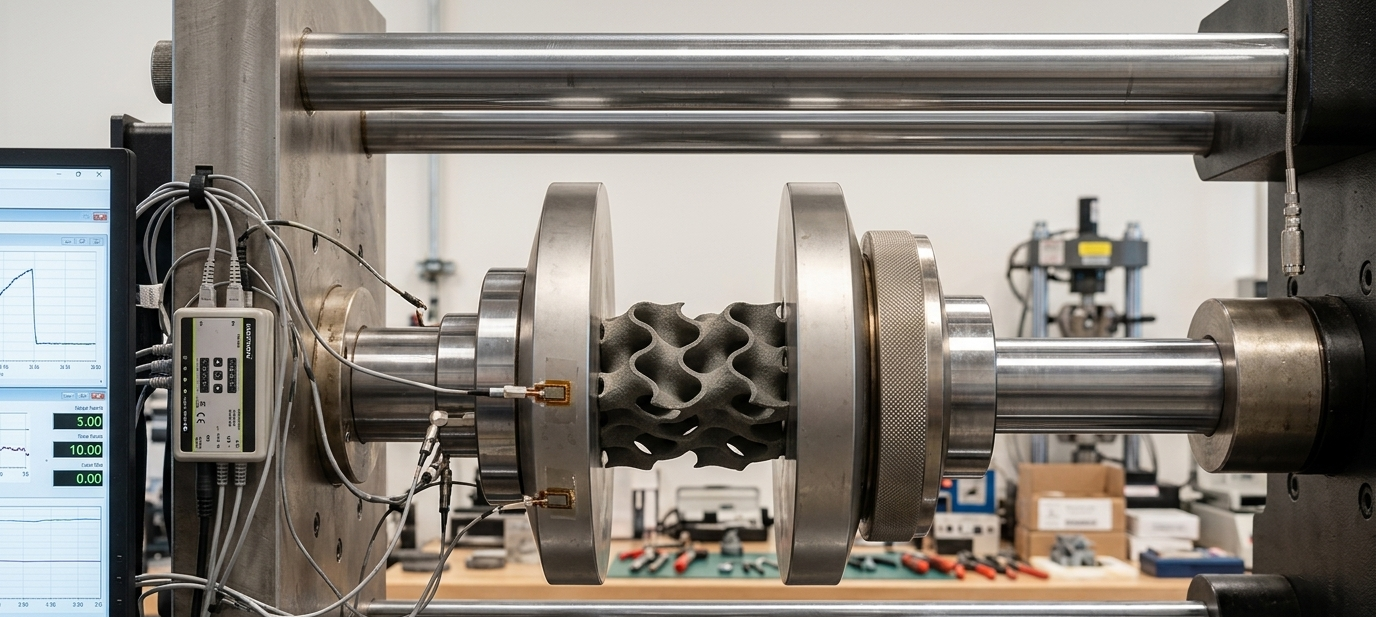
Porous structure optimization: By varying sintering temperature, laser speed, and layer thickness, the laboratory investigated the mechanical strength of porous 3D lattice structures, aiming for minimum weight and maximum strength.
Sacrificial templates technology: 3D-printed polymer (Sintratec PA12) templates are coated with ceramic slurry. During thermal processing, the polymer burns away, leaving an extremely lightweight, hollow, and strong ceramic component.
High-performance prototypes: Samples withstand extremely high compression loads (e.g., a 40 mm cubic gyroid withstood up to 5 kN / 500 kg load).
Results Achieved
Expanded 3D printing boundaries: Opportunities have been opened to quickly and easily create complex geometry lattice and porous structures.
Industrial application: The ceramic coating technology refined in the laboratory and the printed structures are now manufactured industrially at the Swiss company EngiCer SA.
Innovation in aviation and space: The developed solutions contribute to the development of reusable spacecraft and next-generation hybrid ceramics.
Do you have a similar project or idea? Contact us and let us discuss possible solutions!