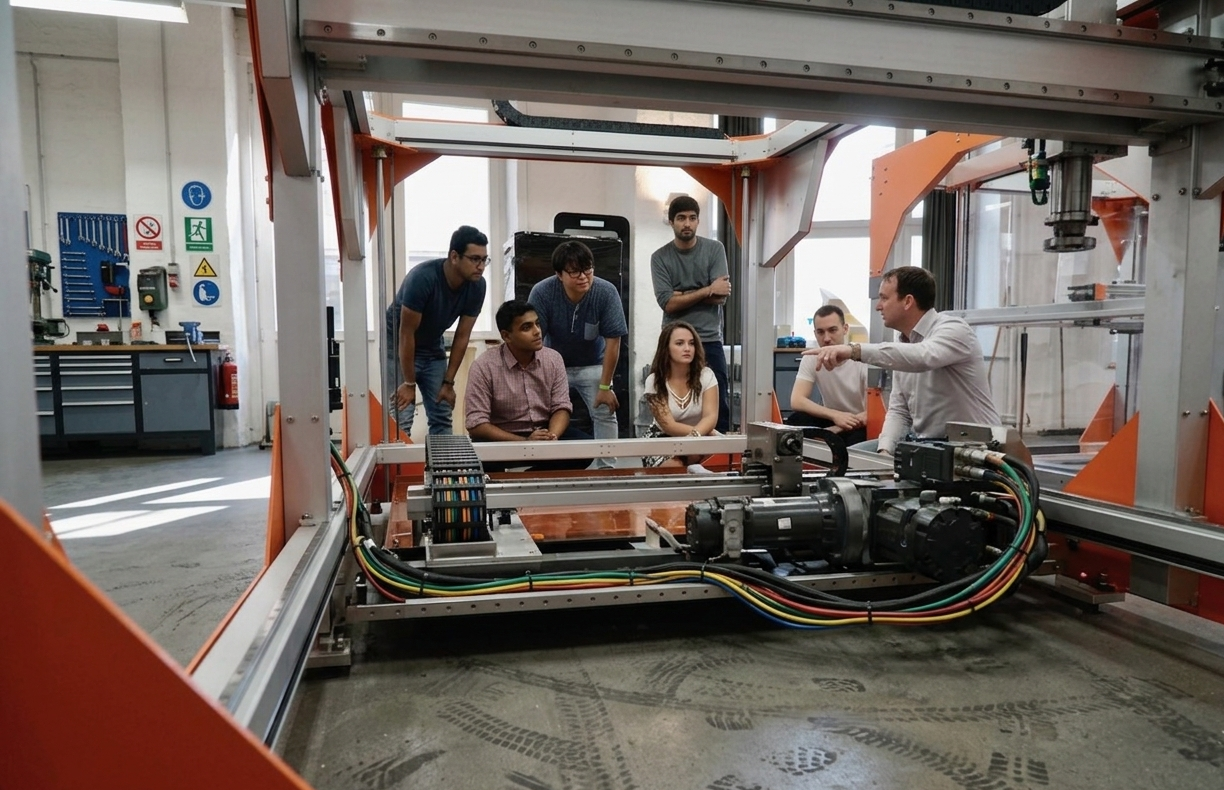
Additive manufacturing fundamentally transforms the capabilities of higher education and research laboratories. Traditional prototyping methods often require production cycles lasting months and significant budget expenditures. By utilizing large-format 3D printers, such institutions enable students to turn their boldest ideas into physical, full-scale functional products.
Real University Project Examples
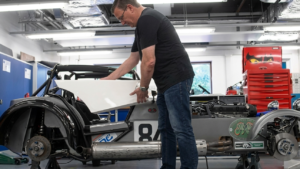
Kingston University (United Kingdom) – Motorsport Engineering:
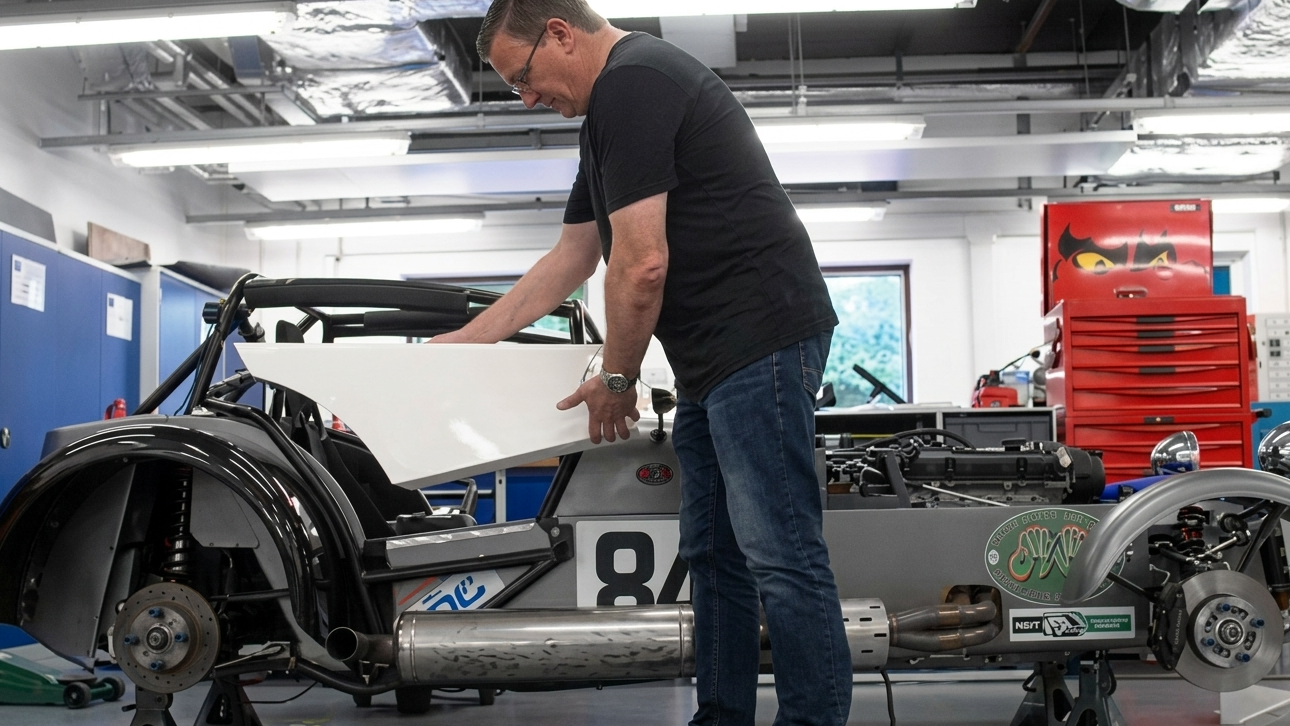
Using the BigRep ONE printer, engineering students created a front aerodynamic wing and a carbon fiber door mold for their Caterham racing car. Direct printing eliminated the need for subtractive methods and enabled aerodynamic testing in a wind tunnel immediately after printing.
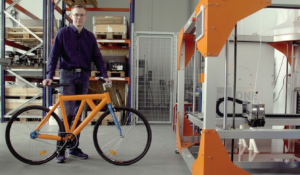
Aalborg University (Denmark) – One-Piece Bicycle Frame:
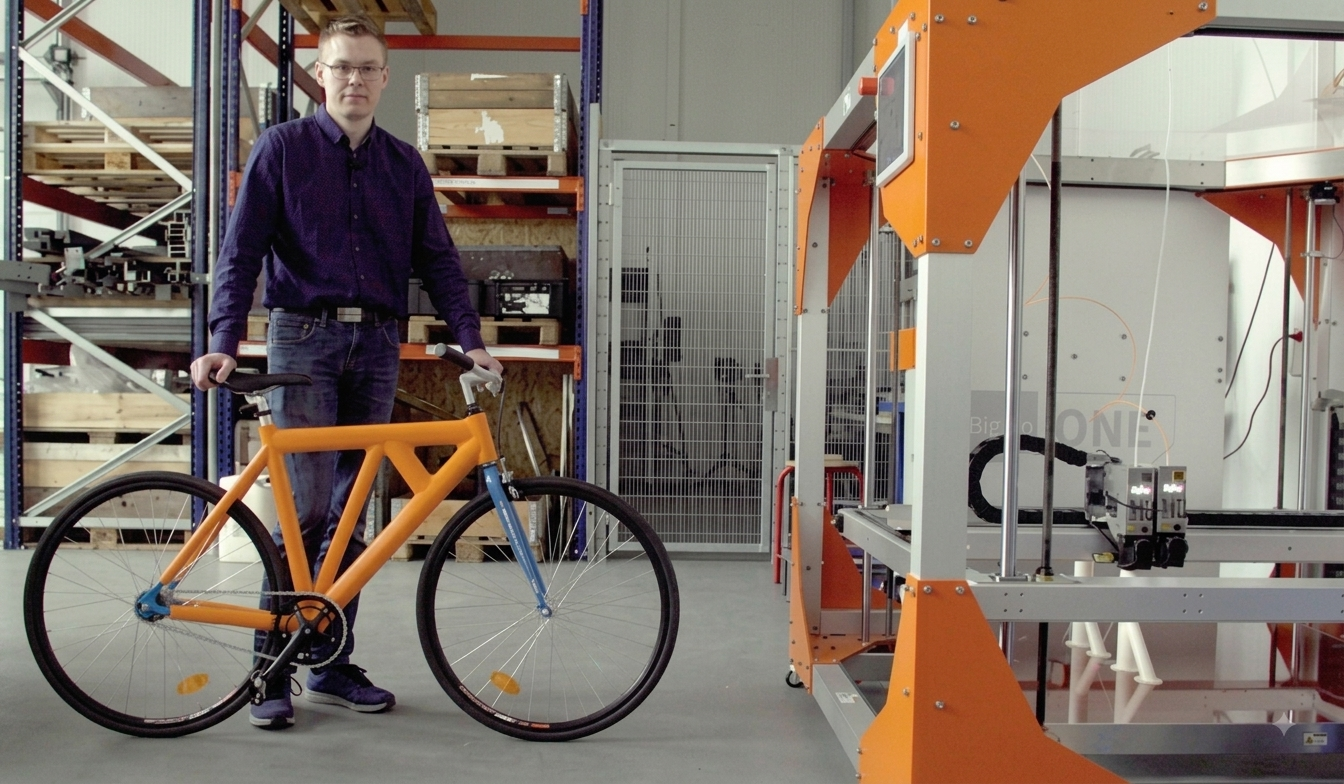
Mechanical engineering students utilized the 1005 x 1005 x 1005 mm build volume to print a fully functional, topologically optimized bicycle frame as a single part.
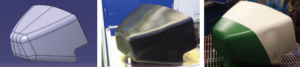
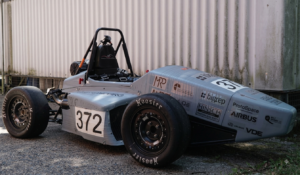
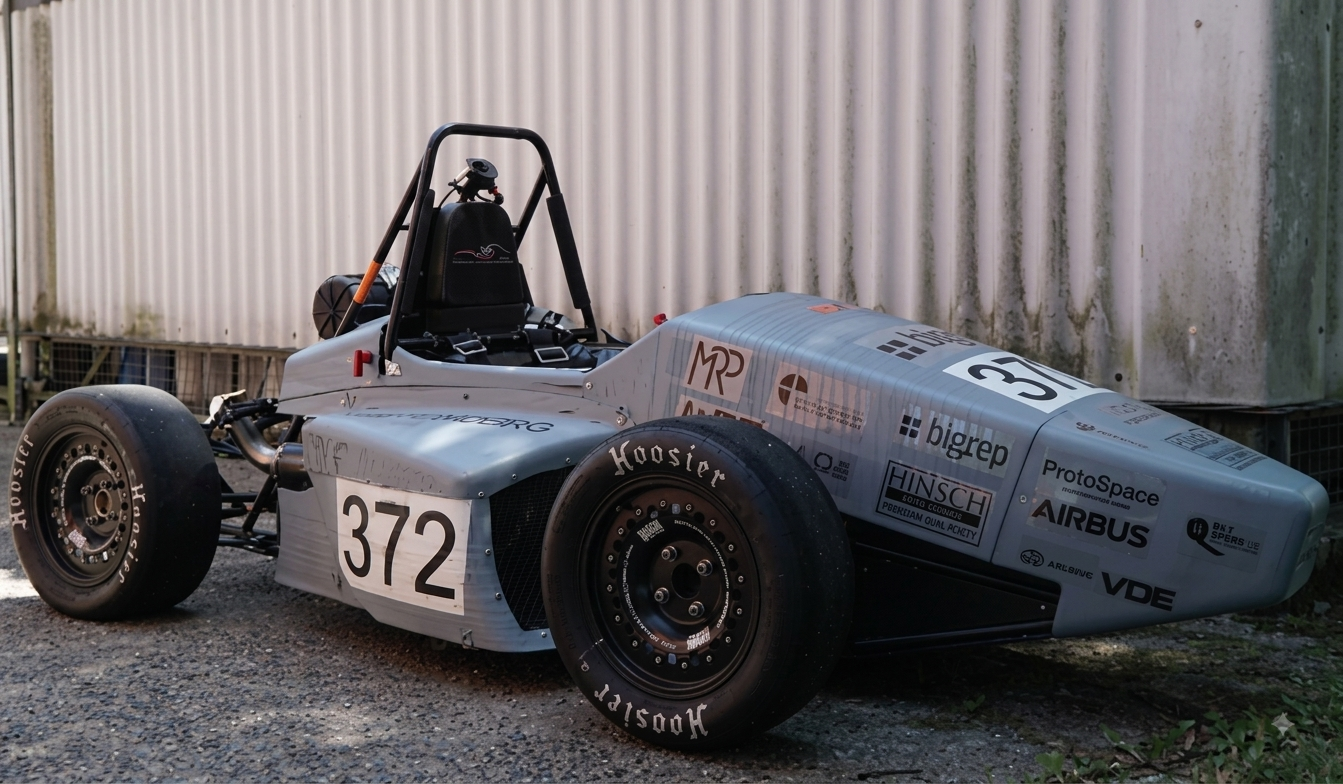
Helmut Schmidt University (Germany) – Formula Body Parts:
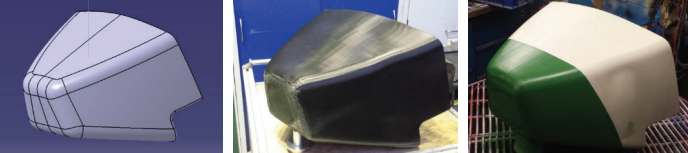
The Eleven-O-Six racing team utilized high-temperature resistant filaments and the BigRep ONE to print a one-piece nose cone and other body parts directly from CAD models.
TH Wildau (Germany) – Interdisciplinary ViNN:Lab:
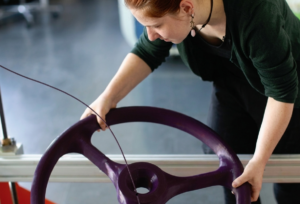
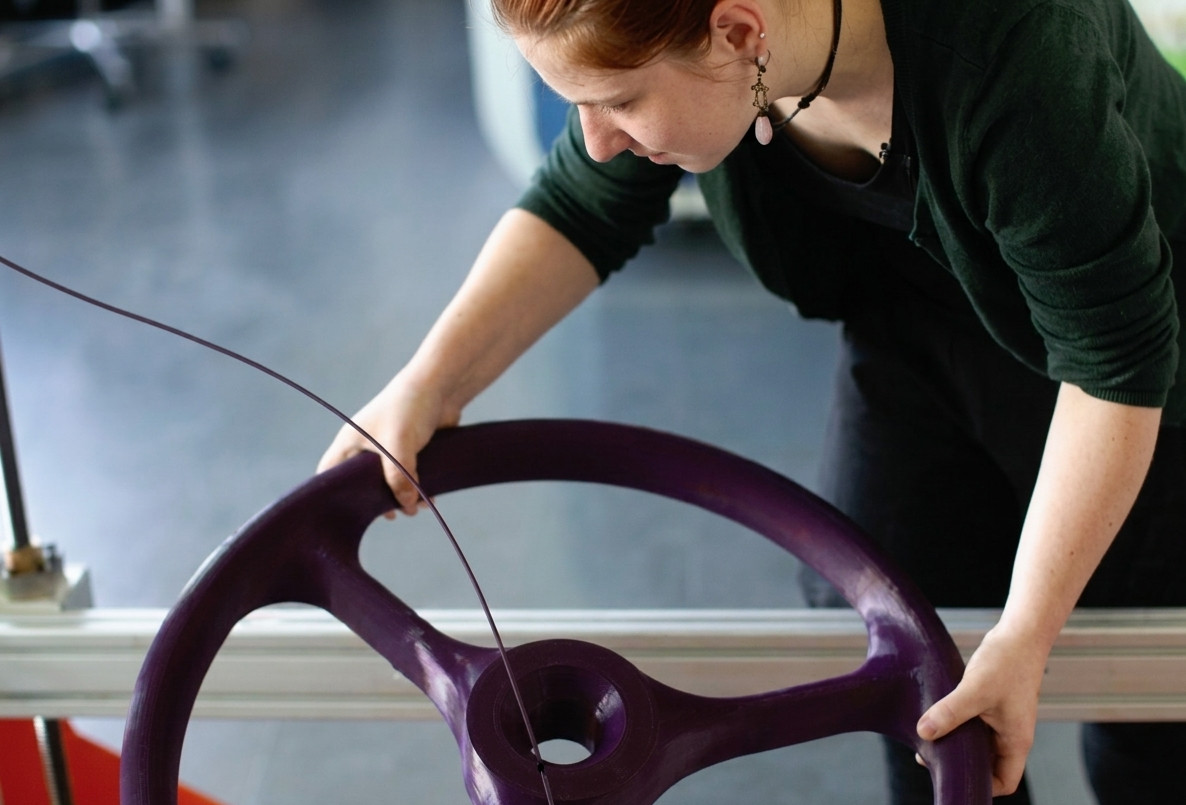
Large-format printers are used not only in engineering. Business management, law, and business informatics students are introduced to additive manufacturing, preparing them for the fourth industrial revolution.
Key Advantages of Large-Format Printing for Research Institutions
Printing without dimensional constraints: No need to split models into smaller parts and bond them, which often causes geometric errors.
Complete product lifecycle within one semester: Reduced production time allows multiple design iterations and practical testing.
Cost-effectiveness: Compared to traditional CNC machining or mold casting, FFF printing reduces material waste and initial costs.